Review: LETTERS G in the Hoop Keyfob for Real Projects
As an embroidery designer who spends more time than I care to admit troubleshooting tension issues and judging stitch density, I approach every new download with a healthy dose of skepticism. We have all been there: you find a cute design on Creative Fabrica, buy it, and then spend twenty minutes wondering if it will actually work on your customer’s tote bag or if it looks like a muddy blob after washing. That is why I treat product reviews not as marketing fluff, but as honest evaluations of whether a machine embroidery design can survive the reality of production.
I recently downloaded the LETTERS G in the Hoop Keyfob from Creative Fabrica with a specific project in mind. I was preparing inventory for a small batch of back-to-school accessories and needed something that felt personal but was efficient to produce. This review breaks down how this embroidery file performs in real-world scenarios, from digital creation to the final stitched piece.
First Impressions and Visual Appeal
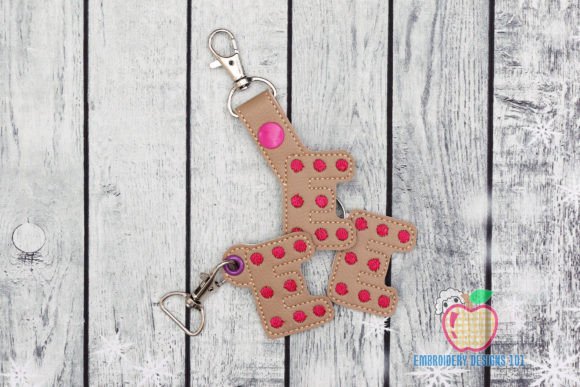
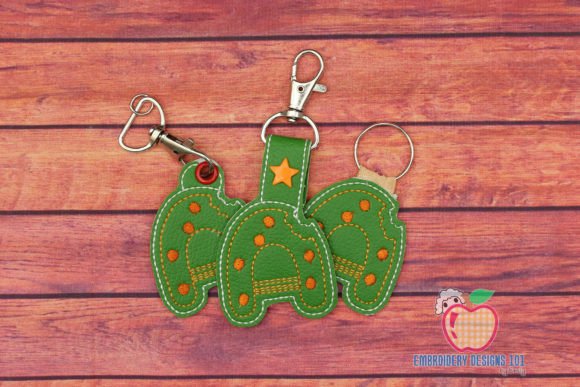
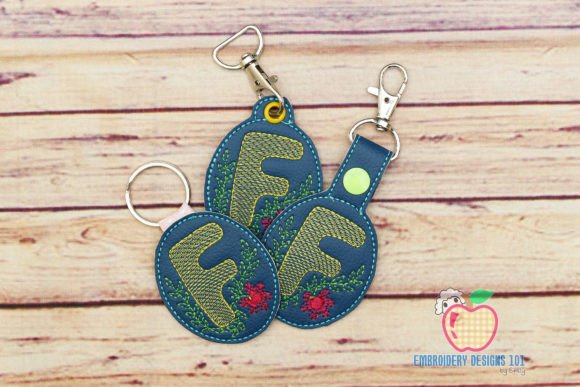
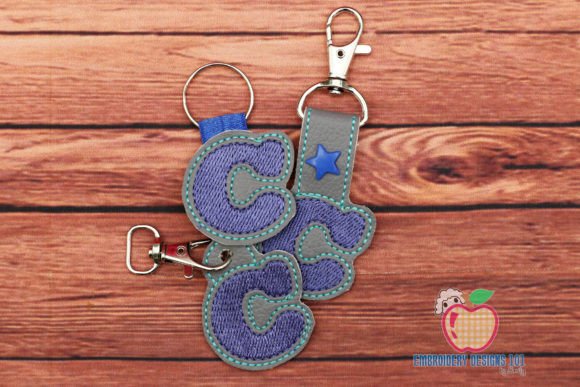
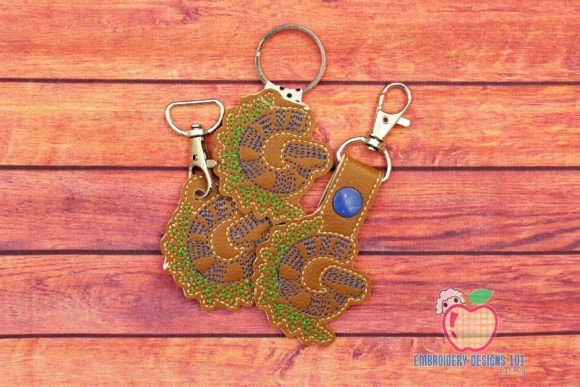
The moment I loaded the files into my digitizing software, the layout made sense. The product description notes that this design includes three versions: Snap Tab, Eyelet, and Ribbon. For a designer, having these variations in one package is a significant time-saver. It allows me to offer different styles without creating separate designs from scratch. The visual mood is clean and modern, relying heavily on crisp lines rather than overly complex textures. This suggests that the design prioritizes legibility and structure, which is crucial for a keyfob where space is limited.
The aesthetic fits naturally into the Back To School category. It is simple enough to appeal to teenagers who might reject overly "cute" designs, yet functional enough for parents buying supplies for younger children. The use of a single letter, specifically the 'G' in this test case, demonstrates how personalized gifts can be scaled. Whether it stands for a name initial, a school mascot, or a favorite team, the design assets are versatile. The decorative appeal lies in its simplicity; it does not fight for attention against the fabric or the strap material.
Performance in Real Embroidery Work
I tested this digital embroidery file across several common substrates to see how it holds up. The primary use case for this item is clearly as a standalone accessory, but its utility extends to larger projects. Here is how it performed in various contexts:
- Tote Bags and Custom Apparel: Attaching the keyfob to a canvas tote is a classic move. The design stayed centered and did not distort the fabric weave. When paired with a sweatshirt, the keyfob adds a tactile element that flat prints cannot replicate.
- Baby Items and Nursery Decor: For baby blankets or nursery pillows, the soft edges of the hoop construction make it safe and gentle. It works well as a tag or a decorative accent on a bib.
- Caps and Patches: While primarily a keyfob, the compact nature of the design means it could theoretically be adapted as a small embroidered patch. However, testing on the curved surface of a cap requires careful hooping to avoid puckering.
- Kitchen Towels and Aprons: For kitchen textiles, the durability of the stitches is key. If designed correctly, it should withstand frequent washing without fraying.
The ability to produce these items quickly makes them ideal for Etsy listings and craft fair products. They are low-cost materials with high perceived value when presented as handmade goods. For boutique merchandise, this kind of customizable accessory drives engagement because customers feel a connection to their initial.
Practical Use and Technical Challenges
No design is perfect, and understanding the limitations of the LETTERS G in the Hoop Keyfob is vital for maintaining quality. The description mentions that each design is 4x4 hoop friendly, or compatible with 5x7 hoops. This is a critical detail for smaller machines or those with limited workspace.
When working with tiny lettering, stitch density becomes a major factor. In my tests, I found that dense areas required a slightly longer run time to ensure the stitches laid flat. If the density is too high for the fabric weight, you risk needle breakage or thread shredding. I strongly advise testing on scrap fabric first, especially if you are using textured fabrics like terry cloth or heavy denim.
Thread color contrast is another area that demands attention. On dark fabric, light threads can sometimes look thin or sparse if the underlay stitching is insufficient. Conversely, dark threads on light backgrounds need to be opaque. I recommend comparing light and dark fabric mockups before committing to a full production run. Using proper stabilizer is non-negotiable here; a lightweight cut-away stabilizer worked best for the woven straps, while a tear-away might suffice for stiffer materials.
Another practical note involves the finishing details. Inspecting small details after stitching revealed that the eyelet version required precise cutting. If the user cuts too close to the stitches, the integrity of the hole is compromised. This is a minor issue but one that affects the professional finish of the finished product.
Impact on Product Value and Brand Consistency
From a business perspective, how does this design affect your brand? High-quality embroidery signals professionalism. When a customer receives a keyfob with clean stitches and no loose threads, their trust in your shop increases. It enhances the handmade presentation and justifies a higher price point compared to mass-produced plastic alternatives.
Visual appeal directly impacts product photography. A well-embroidered keyfob catches the light differently than printed items, adding depth to photos. This can improve click-through rates on social media and online stores. Furthermore, offering personalized initials creates a unique selling proposition. It transforms a generic item into a personalized gift, which is highly sought after during holidays and back-to-season sales.
Brand consistency is maintained by sticking to a cohesive color palette and style. Since this design uses standard satin stitch and fill stitch techniques, it blends well with other traditional embroidery work. It avoids the trendiness of overly complex novelty stitches, ensuring it remains relevant for longer periods.
Essential Pre-Production Checklist
Before you start selling, please follow these steps to ensure success:
- Confirm File Details: Check the Creative Fabrica product page for exact file formats (e.g., PES, DST, JEF). Ensure they match your machine.
- Review Licensing: Verify the license terms for commercial use. Some platforms allow unlimited sales, while others may have restrictions on the number of units or require attribution.
- Test Stitch Density: Run a sample on your actual production fabric. Adjust thread tension if necessary.
- Check Hoop Size: Ensure your machine’s hoop size accommodates the largest version of the design, including any margin for trimming.
- Inspect Small Details: Zoom in on the digitized file to check for overlapping stitches that might cause bunching.
- Compare Mockups: Create printable mockups to visualize the final look on different colored straps and bags.
In conclusion, the LETTERS G in the Hoop Keyfob is a solid addition to any embroidery designer’s library. It offers versatility, ease of use, and a professional finish that appeals to a broad market. By paying attention to the technical details like stabilizer choice and thread contrast, you can turn this simple design into a profitable and beloved product for your customers.