Rainbow Pencil Embroidery Design Review
As an experienced embroidery designer who spends hours evaluating digital files for commercial viability, I approach every new design with a mix of creative enthusiasm and technical skepticism. When the Rainbow Pencil design landed in my inbox, categorized under Back To School and Embroidery, my initial reaction was one of cautious optimism. The description promises to "enhance your fabrics with a dash of charm," adding a "playful and whimsical touch." But for small business owners, Etsy sellers, and apparel decorators, "whimsical" is only valuable if it translates into a sellable product that withstands wear, washing, and brand scrutiny.
This review breaks down how the Rainbow Pencil design performs in real-world business applications, from branded patches to custom apparel, helping you decide if this file deserves a spot in your design assets library.
First Impressions: Playful vs. Professional Balance
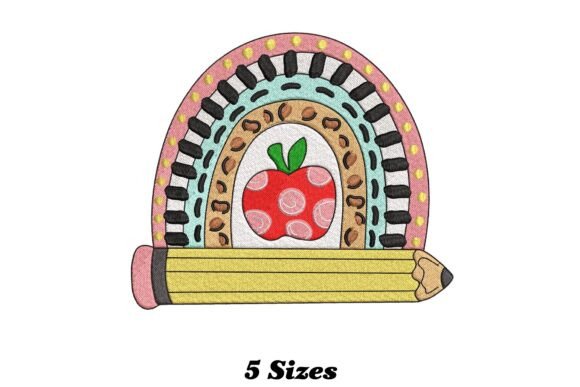
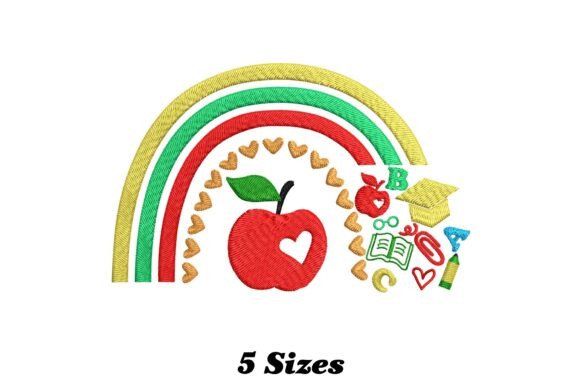
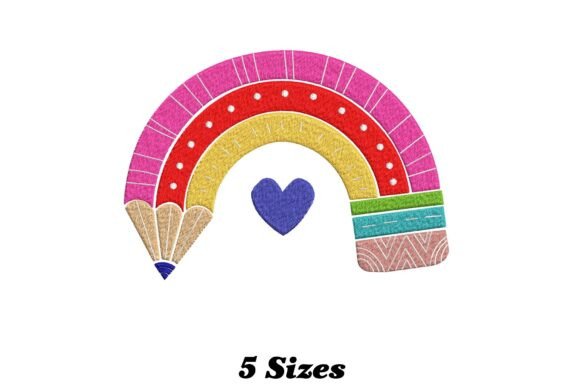
The title Rainbow Pencil immediately signals a specific aesthetic: youthful, creative, and vibrant. In the context of machine embroidery design, color variety can be a double-edged sword. A rainbow palette requires careful thread selection to avoid looking muddy or overly chaotic on fabric. From a visual personality standpoint, this design feels friendly and accessible rather than rigid or corporate. It leans heavily into the handmade product vibe, which is currently dominating the market for boutique merchandise and craft business assets.
For a small café, bakery, or florist looking to add a splash of color to their staff uniforms, this design offers immediate visual appeal. However, the challenge lies in execution. Does the whimsical nature hold up when stitched out? If the lines are too thin or the color transitions are abrupt, the "dash of charm" can quickly turn into a cluttered mess. As designers, we must ask: does this feel premium enough for customer gifts, or is it strictly budget-friendly event merch?
Real-World Business Applications
Let’s move beyond theory and look at where the Rainbow Pencil design actually shines in commercial embroidery projects. Small businesses need versatile designs that work across multiple product lines without requiring entirely new branding strategies.
- Embroidered Patches: This is perhaps the strongest use case. The compact nature of a pencil motif fits well within standard patch dimensions. For a creative studio or art supply shop, a rainbow pencil patch serves as an excellent identifier for artists’ kits or workshop materials.
- Apron Embroidery: For bakeries, cafes, and culinary schools, aprons are walking billboards. A subtle rainbow pencil accent on the chest pocket adds a touch of personality to otherwise utilitarian gear. It suggests creativity and care in food preparation.
- Tote Bag Design: Tote bags remain a staple for handmade brands and Etsy sellers. The Rainbow Pencil works well here as a standalone graphic on canvas totes. It appeals directly to students, teachers, and creatives, making it a high-conversion item during the Back To School season.
- Cap Embroidery: While caps are popular, they present unique challenges. A pencil design might work well on the front panel of a baseball cap, but the curvature of the hat can distort fine details. It is best suited for structured caps with ample surface area.
- Custom Apparel Accents: Beyond full garments, this design excels as a sleeve detail or a back-of-neck logo accent. It allows brands to maintain a clean, professional main logo while using the Rainbow Pencil as a secondary element that reinforces brand values like creativity and diversity.
When used in these contexts, the design enhances brand identity by signaling that the business is approachable and artistic. For local businesses, this visual consistency helps build customer trust and recognition over time.
Strategic Placement for Maximum Impact
To maximize the value of the Rainbow Pencil design, placement is key. Consider using it on product packaging accents to create an unboxing experience that delights customers. It also serves as a powerful tool for buyer engagement; a playful design invites social media sharing, especially when featured on unique items like pet brand accessories or personalized stationery.
Technical Constraints and Where to Be Careful
No design is perfect for every application. As a professional reviewer, I must highlight the areas where the Rainbow Pencil design requires caution. Ignoring these technical limitations can lead to costly production errors and unhappy clients.
First, consider small patch sizes. If you plan to scale this design down significantly, the individual elements of the rainbow may merge together, losing their distinct colors and creating a brownish-grey blob. Always test the design at its intended final size before committing to bulk production.
Second, evaluate stitch density. Designs with heavy stitch counts can become stiff and uncomfortable, particularly on delicate fabrics or items that require frequent washing. If the Rainbow Pencil has dense fill stitches, it may not lay flat on curved surfaces like the front of a cap or the shoulder of a work shirt. Furthermore, check the fabric texture; rougher fabrics like denim or burlap can obscure fine details, so ensure the design’s outlines are thick enough to remain visible.
Additionally, be mindful of dark uniforms. A rainbow palette relies on contrast to pop. On black or navy backgrounds, certain pastel or light thread colors may disappear. You may need to adjust the thread colors or add a contrasting outline to ensure visibility.
Finally, consider the longevity of the garment. Items that undergo frequent industrial washing, such as restaurant aprons or hospital scrubs, require robust stitching. Delicate designs with long floating stitches may unravel over time. Always inspect the spacing between elements to ensure structural integrity.
Practical Designer Notes for Production
Before you upload the Rainbow Pencil embroidery file to your digitizing software or send it to production, follow these essential steps to protect your business reputation.
- Test in Black and White: Convert the design to grayscale first. This helps you assess the balance and composition without the distraction of color. If the shape reads clearly in monochrome, it will likely succeed in color.
- Check Thread Color Contrast: Review the thread colors against your target fabric. Ensure there is sufficient contrast between adjacent colors to prevent bleeding effects.
- Inspect Spacing and Hoop Size: Confirm that the design fits comfortably within your standard hoop size. Overlapping hoops can cause misalignment, so verify the maximum dimensions of the file.
- Use Proper Stabilizer: The choice of stabilizer (cut-away vs. tear-away) depends on the fabric. For stretchy knaps or heavy cottons, a cut-away stabilizer provides better support and prevents distortion.
- Create a Printable Mockup: Before stitching, generate a printable mockup for client approval. This allows stakeholders to visualize the finished product on actual merchandise, reducing the risk of dissatisfaction.
- Compare Against Other Assets: Place the Rainbow Pencil design beside your existing logo and other design assets. Ensure it complements your overall brand aesthetic rather than clashing with it.
- Confirm Commercial Licensing: Most importantly, verify the licensing terms of the digital embroidery file. Ensure you have the right to use the design for commercial purposes, including selling embroidered goods. Do not assume standard licenses cover all business uses.
Final Verdict
The Rainbow Pencil design offers a charming, versatile option for small business owners looking to inject personality into their merchandise. Its playful nature makes it ideal for educational sectors, creative studios, and lifestyle brands. However, success depends on proper technical execution. By testing stitch density, choosing appropriate fabrics, and confirming licensing, you can transform this whimsical design into a profitable addition to your product line.
For those seeking to enhance their brand identity with a touch of creativity, the Rainbow Pencil is a strong contender—provided you respect its technical boundaries. Treat it with the same diligence you would any high-value commercial embroidery project, and it will reward you with engaged customers and a cohesive, professional brand presence.