Love Back to School Embroidery Review
As an embroidery designer who spends weekends hunched over a sewing machine and weekdays prepping for craft fairs, I have learned one hard truth: if it doesn’t catch the eye in three seconds, it won’t sell. When I first pulled up the digital preview for the Love Back to School design, my initial reaction was cautious but intrigued. The title suggests a playful, whimsical touch, and the description promises charm for fabrics, t-shirts, towels, or home decor. But does it actually translate to a profitable craft fair product? Does it hold up under the harsh fluorescent lights of a convention center? And most importantly, will a customer pick it up off a crowded table?
I decided to put this machine embroidery design through its paces. Below is my honest review from the perspective of a professional creator preparing inventory for a handmade market season.
First Impressions and Visual Appeal
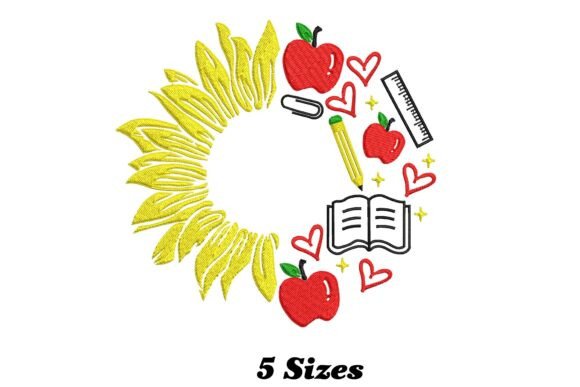
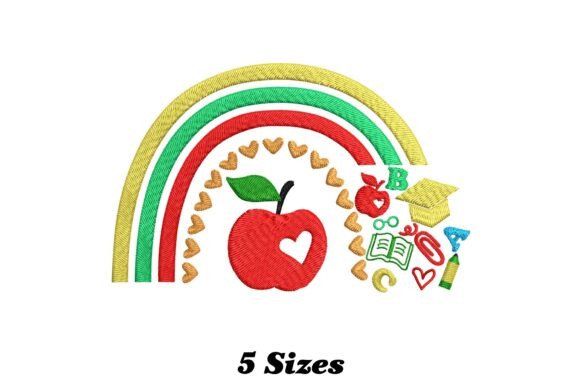
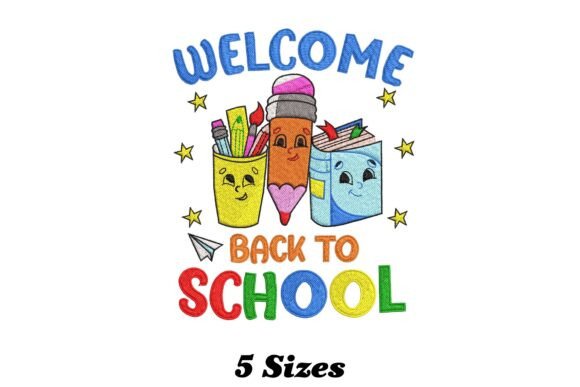
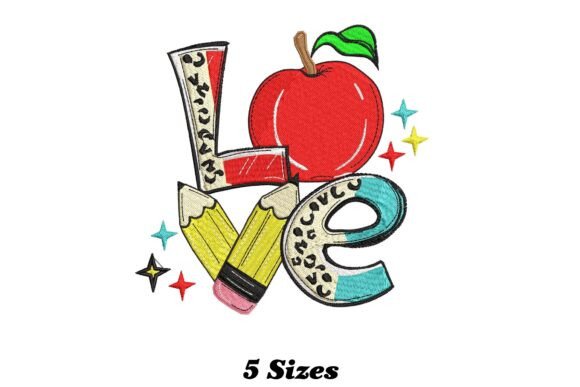
The phrase "Love Back to School" immediately signals a seasonal niche. It taps into the emotional rush of August and September, a time when parents are buying supplies and teachers are looking for personal touches. Visually, the design leans heavily into the "playful and whimsical" category mentioned in its description. It isn’t stark modern minimalism, nor is it overly rustic farmhouse. Instead, it strikes a balance that feels friendly and approachable.
For a booth display, this is crucial. You want designs that feel warm. A tote bag design featuring this motif feels instantly giftable. It has a softness to it that suggests it would look excellent on light-colored cottons or pastels. However, the whimsy also means it needs to be placed correctly. If the elements are too small, the charm is lost. If they are too large, it might overwhelm a smaller item like a cap. My gut feeling is that this design thrives as a focal point on larger items where the details can breathe.
Product Application and Versatility
To determine if Love Back to School is a versatile asset for your small shop product line, I tested how it performs across various mediums. Here is where it shines:
- Tote Bags and Market Bags: This is the highest potential seller. Canvas totes provide a sturdy, flat surface that allows the design to stand out. The contrast between the fabric texture and the thread creates a tactile appeal that customers love to touch. A tote bag design with this whimsical text becomes an instant impulse buy for students and teachers alike.
- Apron Embroidery: Kitchens are the heart of the home, and a personalized apron is a staple gift. Placing this design on the bib or pocket area of a linen apron adds a dash of personality. It works well because the theme relates to nourishment and care, extending the "back to school" energy into family life.
- Tea Towel Embroidery: Linen tea towels are lightweight and easy to ship, making them great for online orders. However, you must be careful with placement. On a narrow towel, the design should be centered or offset slightly to avoid fraying edges. The whimsical nature of the design makes these towels feel like home decor rather than just utility items.
- Embroidered Patch: Converting this into a patch is a smart move for versatility. A sew-on or iron-on patch allows buyers to add the "Back To School" vibe to backpacks, denim jackets, or pencil cases without committing to a full garment. Patches are high-margin items at craft fairs because they require less fabric and less hoop space.
- Caps and Beanies: Curved surfaces present a challenge. If the design has intricate lettering or tiny details, it may distort on the curve of a baseball cap. I recommend using this on structured caps with a wide front panel, or perhaps on slouchy beanies where the fabric drapes more softly.
Production Practicality for Batch Making
When you are producing inventory for a weekend market, efficiency is money. You cannot spend twenty minutes per piece if you need fifty pieces. The Love Back to School design appears to have a moderate stitch count, which is ideal for batch production. It is not so dense that it requires hours of hooping and unhooping, yet it is substantial enough to look premium.
However, there are practical considerations regarding stitch density and fabric texture. If you are embroidering on textured towels or thick denim, you need to ensure the design does not get lost in the weave. I advise testing the design on your actual production fabric before committing to a full run. Check the spacing of the letters; if any kerning is too tight, it might fill in with thread, making the text harder to read from a distance.
Photography is another critical factor. For your Etsy seller listings or social media posts, this design photographs beautifully against neutral backgrounds. The whimsical elements pop in natural light. Create at least one real mockup and use it as your primary image. A printable mockup can help visualize the design on different products, but nothing beats a photo of the actual finished product sitting on a wooden table next to some school supplies.
Strategic Selling Points
Why does this design work for a commercial embroidery business? Because it solves a problem for the buyer. Parents want their children’s belongings to feel special. Teachers want to show appreciation for their profession. By offering a product that combines utility with sentiment, you increase the perceived value of the item.
This design enhances brand consistency by positioning your shop as one that understands seasonal trends. It shows customers that you are current and attentive to their needs. At a craft fair, having a cohesive collection—perhaps mixing this with other school-themed designs—creates a stronger visual impact than a single random item. It invites buyers to browse further, increasing the likelihood of multiple purchases.
Crucial Designer Notes Before Production
Before you start stitching, please heed these warnings based on common pitfalls in the industry:
- Check Hoop Size: Ensure the design fits within your standard hoops (e.g., 5x7 or 6x10 inches). If the design is larger, you may need multi-hoop techniques, which increases production time significantly.
- Stabilizer Selection: Use the right stabilizer for your fabric. Cut-away stabilizer is generally best for garments like tote bags and caps to prevent puckering over time. Tear-away may suffice for stable woven cottons used in tea towels.
- Thread Contrast: Choose thread colors carefully. Dark threads on dark fabric will disappear. Light threads on bright patterns may get lost. Solid, light-colored fabrics usually offer the best canvas for this type of whimsical design.
- Dense Stitch Areas: Inspect the design for areas of heavy satin stitching. If these areas are too close together, the fabric may pucker. A water-soluble topping can help reduce friction and improve finish quality.
- Commercial Licensing: Confirm commercial licensing before selling finished products. Just because you bought the file does not always mean you own the rights to resell the physical items. Check the terms provided by the designer.
Final Verdict
The Love Back to School design is a strong contender for your seasonal lineup. It hits the sweet spot between cute and usable. It is versatile enough for home decor items like pillow covers and practical goods like aprons. While it may lose some clarity if scaled down too small, its strength lies in medium-to-large applications where the whimsical details can truly shine.
If you are an Etsy seller or a handmade shop owner, adding this to your catalog now is a proactive move. Prepare your design assets, create stunning printable mockups, and get ready to capture the back-to-school rush. With careful attention to fabric choice and stabilization, this design can become a bestseller in your booth.