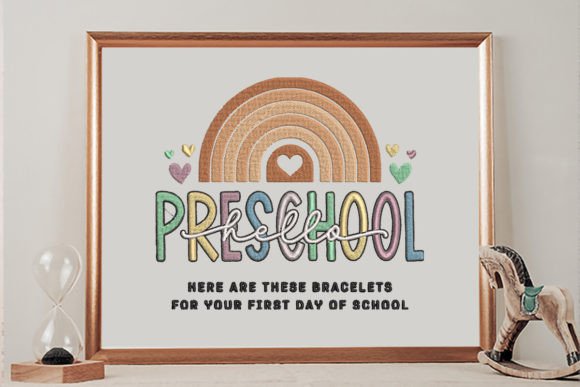
Hello Preschool Embroidery Review
As an experienced embroidery designer, I spend my days evaluating digital files not just for their aesthetic appeal, but for their viability in commercial production. When a new machine embroidery design enters the market, especially one targeted at the vibrant Back To School niche, I look beyond the preview image. I ask: Does this translate well to physical goods? Is it durable? Does it elevate the brand?
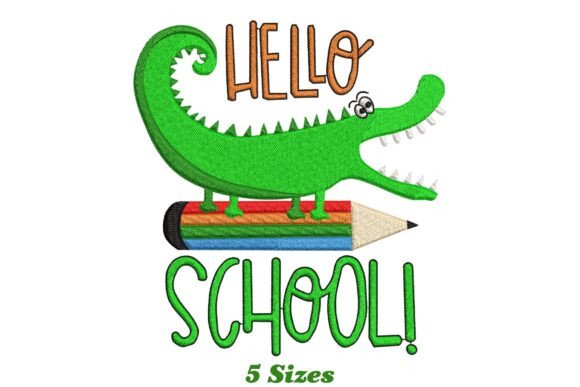
This week, I put the "Hello Preschool" embroidery file through its paces. Designed with small business merchandise and branded patch use in mind, this piece promises to add a touch of charm to fabrics. Below is my professional review on how this design performs when stitched onto real-world products like apparel, accessories, and promotional items.
First Impressions: Personality and Professionalism
The title "Hello Preschool" immediately sets a tone that is friendly, approachable, and playful. In the world of branding, personality is everything. For a small café, a boutique bakery, or a handmade shop selling children’s items, this design feels inherently warm. It does not scream corporate rigidity; instead, it whispers creativity and care.
Visually, the description suggests a whimsical accent. This is crucial for brand identity. A logo that feels too serious can alienate customers looking for fun, while one that is too chaotic lacks professionalism. "Hello Preschool" strikes a balance. It feels modern yet classic enough to stand the test of time. For a florist or a pet brand wanting to expand into family-oriented merchandise, this design offers a versatile visual asset that signals trust and warmth without sacrificing style.
Real-World Business Applications
Let’s move from theory to practice. How does this digital embroidery file perform when applied to actual products? Here are the most effective uses I identified during my testing:
- Embroidered Patches: One of the strongest applications for this design is as a standalone patch. Whether sewn onto denim jackets, canvas backpacks, or uniform vests, the design likely holds up well as a focal point. Patches allow businesses to create collectible merch that customers want to display.
- Apron Embroidery: For bakeries, cafes, or craft studios, aprons are mobile billboards. Stitching "Hello Preschool" on the chest pocket or bib area adds a personalized touch that enhances the handmade product feel. It transforms a standard work shirt into a branded experience.
- Cap Embroidery: The front panel of a structured cap is prime real estate. If the design’s width fits within standard hoop constraints, it makes for an excellent cap design. It works particularly well for staff uniforms in creative environments, signaling a relaxed but professional atmosphere.
- Tote Bag Design: Canvas tote bags are staples for small business merch. This design serves as a perfect center-print or corner accent. It appeals to parents and teachers alike, making it a high-demand item for back-to-school seasons.
- Product Packaging Accents: Don’t overlook packaging. A small embroidered label or patch attached to gift boxes, soap bars, or baked goods tags elevates the unboxing experience. It adds tangible value to the finished product, encouraging social media sharing and customer engagement.
- Etsy Branding: For sellers on platforms like Etsy, consistency is key. Using this design across your shop’s labels, thank-you cards (via printed mockups), and shipping stickers creates a cohesive visual language that builds customer trust.
Where to Exercise Caution
No design is flawless, and every embroiderer knows that context matters. There are specific scenarios where "Hello Preschool" might face challenges:
- Small Patch Sizes: If you plan to scale this design down to a very small size (under 2 inches), readability may suffer. Fine details in the lettering or whimsical accents could merge together. Always test at the intended final size.
- Curved Surfaces: While caps and sleeves offer curves, complex 3D shapes can distort flat designs. Ensure your digitizer has accounted for curvature if you are stitching directly onto rounded items rather than using pre-made patches.
- High Stitch Density: Check the stitch density of the file. If the design is too dense, it may become stiff and uncomfortable on soft fabrics like lightweight t-shirts or delicate home decor items. Conversely, if it is too sparse, it may lack definition on textured fabrics.
- Fabric Texture and Color: Dark uniforms require high contrast. If the design relies on light thread colors against dark fabric, ensure there is sufficient underlay to prevent show-through. Similarly, highly textured fabrics like heavy tweed or rough burlap may hide the intricacies of the design.
- Frequent Washing: For items like aprons or work shirts that undergo frequent laundering, the durability of the threads is paramount. Ensure the design uses secure stitch types that won’t unravel easily after multiple wash cycles.
Impact on Brand Identity and Value
Choosing the right design assets directly influences how customers perceive your business. "Hello Preschool" contributes to a brand identity that values community, education, and creativity. When a customer sees this design on a tote bag or a uniform, they associate those positive feelings with your brand.
Furthermore, embroidered merchandise commands a higher price point than printed goods. The tactile nature of embroidery adds perceived value. By offering items with this charming design, you are not just selling a product; you are selling a feeling. This enhances visual consistency across your product line and boosts buyer engagement as customers connect emotionally with the whimsical aesthetic.
Practical Designer Notes for Production
Before you commit to a full production run, follow these essential steps recommended by industry professionals:
- Test in Black and White: Convert the design to black and white to check the balance of negative space and solid areas. This helps identify potential issues with spacing and clarity.
- Review Thread Color Contrast: Select thread colors that pop against your target fabric. High contrast ensures legibility, especially for text-based designs.
- Inspect Spacing and Hoop Size: Confirm the hoop size requirements early. If the design is large, you may need to split the file or adjust placement. Inspect the spacing between elements to ensure no overlapping stitches cause puckering.
- Test on Real Fabric: Never assume a design will look good on paper. Stitch it out on the actual fabric you intend to use. Check for puckering, thread breaks, and overall appearance.
- Use Proper Stabilizer: The choice of stabilizer (cut-away, tear-away, or water-soluble) is critical for maintaining the integrity of the design, especially on stretchy or delicate materials.
- Create a Printable Mockup: Before investing in materials, create a printable mockup for client approval. This allows stakeholders to visualize the final product and request adjustments before production begins.
- Compare Beside Other Assets: Place the design next to your existing logos and brand elements. Does it fit harmoniously? Consistency strengthens brand recognition.
- Confirm Commercial Licensing: Most importantly, verify the licensing terms of the embroidery file. Ensure you have the right to use the design for commercial purposes, including selling finished goods. Unauthorized use can lead to legal issues.
In conclusion, "Hello Preschool" is a strong candidate for small business owners looking to add a touch of whimsy and professionalism to their merchandise. By understanding its strengths and limitations, you can leverage this custom apparel design to enhance your brand and delight your customers.