Heartbeat School Teacher Kids Design Review
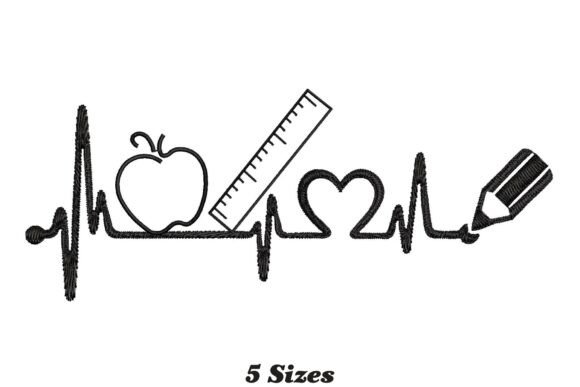
As an experienced embroidery designer who has reviewed thousands of digital files for commercial production, I approach every new asset with a critical eye. The goal is not just to see if it looks pretty on a screen, but to determine if it will hold up in real-world small business merch, withstand the wear and tear of daily use, and elevate brand identity. Today, I am reviewing the Heartbeat School Teacher Kids design, a piece categorized under Back To School and Embroidery that promises to bring a "fun and whimsical touch" to various items.
This review focuses on how this machine embroidery design performs when scaled for branded merchandise, embroidered patches, staff uniforms, and boutique product lines. We will look at its visual personality, practical application, potential pitfalls, and how it impacts customer perception.
First Impressions: Visual Personality and Brand Fit
The title Heartbeat School Teacher Kids immediately suggests a narrative of care, education, and youthful energy. When analyzing the aesthetic, the description hints at a design that is charming and whimsical. For a small business owner—whether running a local bakery, a creative studio, or a handmade shop—this visual language is versatile.
In terms of brand identity, this design feels friendly rather than corporate. It leans towards a handmade product aesthetic, which resonates well with Etsy sellers and craft businesses looking to convey authenticity. However, because it references "Teacher" and "School," it carries an inherent sense of professionalism mixed with playfulness. This makes it particularly effective for brands that want to appear approachable yet trustworthy. If your business relies on brand identity built around community, learning, or nurturing creativity, this design aligns naturally. Conversely, if your brand is strictly minimalist or high-end luxury, the whimsical nature might clash with a more elegant or modern tone.
Real-World Business Applications
The true test of any embroidery file is its adaptability across different mediums. Here is how Heartbeat School Teacher Kids translates into tangible products:
- Embroidered Patches: This design has strong potential as a detachable patch. Small business owners often use patches to create a uniform look for staff without committing to full garment embroidery. Whether applied to denim jackets, canvas tote bags, or baseball caps, the design’s charm can serve as a focal point that sparks conversation with customers.
- Staff Uniforms and Aprons: For cafes, boutiques, or bakeries, adding a subtle chest logo or sleeve detail can significantly boost team cohesion. Using this design on apron embroidery allows employees to represent the brand while maintaining a relaxed, welcoming atmosphere. It works particularly well for businesses targeting families or children, such as florists or pet brands.
- Tote Bag Design: A tote bag is a walking billboard. Placing this design on a sturdy cotton canvas tote creates a custom apparel accessory that customers are proud to carry. The whimsical nature of the design encourages impulse buys, making it an excellent addition to event merch or promotional giveaways.
- Cap Embroidery: Front-of-cap designs require clarity and impact. If the design elements are bold enough, this file could work well on structured caps. It adds a personalized mark that distinguishes your brand from generic merchandise.
- Product Packaging Accents: Beyond clothing, consider using this design on gift tags, hangtags, or even as a printed mockup element on packaging inserts. It reinforces the handmade presentation and adds a layer of thoughtfulness that enhances buyer engagement.
Strategic Placement and Areas of Caution
While the design is charming, not every placement is suitable. As a designer, I must advise caution in specific scenarios to ensure the finished product maintains quality.
First, be mindful of scale. When reducing this design for tiny lettering or small patch sizes, intricate details may merge together, creating a muddy appearance. Always inspect the spacing carefully. If the design contains fine outlines or delicate textures, these may be lost at very small diameters, leading to a less professional look.
Secondly, consider the fabric texture. Embroidery on highly textured fabrics, such as heavy waffle-knit towels or loose-weave linen, can distort the design. The stitches may sink into the fabric, losing definition. For dark uniforms or dark-colored totes, thread color contrast becomes critical. Ensure that the chosen thread colors provide sufficient visibility against the background material; otherwise, the design may appear dull or washed out.
High stitch density is another factor. If the design is too dense, it can make the fabric stiff and uncomfortable, especially on garments like t-shirts or lightweight hoodies. Additionally, items that require frequent washing, such as work shirts or aprons, need robust construction. Delicate designs may fray or lose shape over time if not digitized with appropriate stabilizer support.
Impact on Brand Identity and Customer Trust
Quality embroidery does more than decorate; it communicates value. A well-executed commercial embroidery project signals attention to detail. When customers see a clean, precise stitch pattern on a tote bag design or cap, they perceive higher product value. This directly influences customer trust and recognition.
Using a cohesive set of design assets, including this whimsical teacher-themed file, helps establish visual consistency across your product line. Consistency is key to building a memorable brand. When your merchandise looks professional and intentional, it reduces buyer hesitation and increases the likelihood of repeat purchases. Furthermore, a unique design like Heartbeat School Teacher Kids can differentiate your brand in a saturated market, offering something distinct that competitors may lack.
Practical Designer Notes for Production
Before moving this file into mass production, follow these essential steps to mitigate risk:
- Test in Black and White: Convert the design to grayscale to check contrast and balance. This helps identify if certain elements are too faint or overpowering.
- Check Small Patch Size Performance: Digitize a small version (e.g., 2-3 inches) to ensure readability. If details get lost, simplify the design or increase the minimum size.
- Review Thread Color Contrast: Physically stitch the design using the actual thread colors you plan to buy. Screen colors do not always match thread hues.
- Inspect Spacing and Density: Zoom in on the digitizing software to check for overlapping stitches or gaps that could cause puckering.
- Confirm Hoop Size: Ensure the final design dimensions fit within your standard hoop sizes to avoid unnecessary trimming or re-hooping.
- Test on Real Fabric: Never trust a digital mockup alone. Stitch the design on the actual fabric type (cotton, polyester, blend) to assess how it drapes and feels.
- Use Proper Stabilizer: Select the correct cut-away or tear-away stabilizer based on fabric weight to prevent distortion during and after stitching.
- Create a Printable Mockup: Generate a realistic mockup for client approval or marketing materials. This helps visualize the final product in context.
- Compare Beside Other Assets: Place this design next to your other logos or graphics to ensure they complement each other visually.
- Confirm Commercial Licensing: Most importantly, verify that you have the right to use this digital embroidery file for commercial purposes. Unauthorized use can lead to legal issues.
By following these guidelines, you can ensure that Heartbeat School Teacher Kids serves as a valuable addition to your embroidery catalog. It offers a blend of charm and professionalism that, when executed correctly, can enhance your brand’s appeal and drive sales. Remember, the success of any machine embroidery design lies not just in its artistry, but in its technical execution and strategic application.