2nd Grade Apple Pencil Embroidery Review
As an embroidery designer who spends weekends hunched over a booth table at local craft fairs, I know that the difference between a design that sits on the shelf and one that sells out by noon often comes down to visual impact and production practicality. When I first pulled up the 2nd Grade Apple Pencil file for review, my immediate question was simple: does this translate well from a digital screen to a physical product that catches a passerby’s eye?
The description promises a "fun and whimsical accent" suitable for t-shirts, towels, and home decor. For a handmade business owner, those keywords are music to our ears. However, in the world of machine embroidery design, whimsy can sometimes mean complexity, and complexity can mean production headaches. Below is my professional assessment of how this embroidery file performs as a craft fair product and what you need to consider before adding it to your inventory.
First Impressions and Visual Appeal
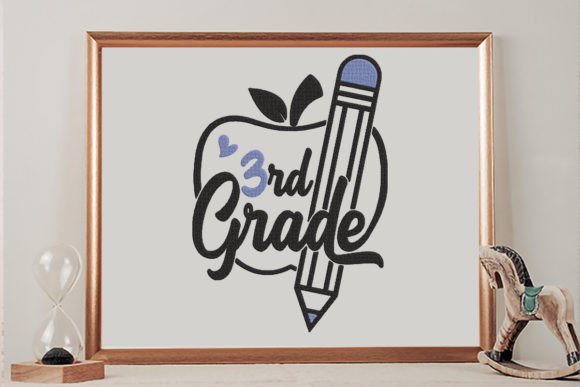
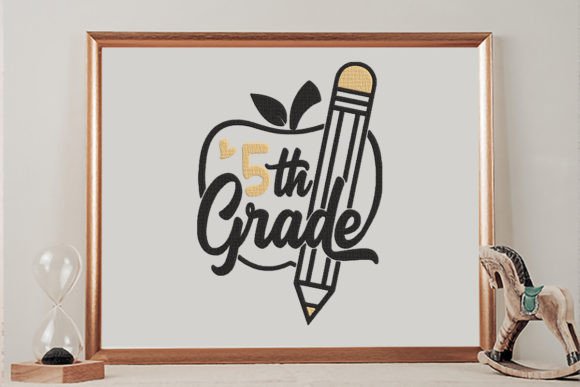
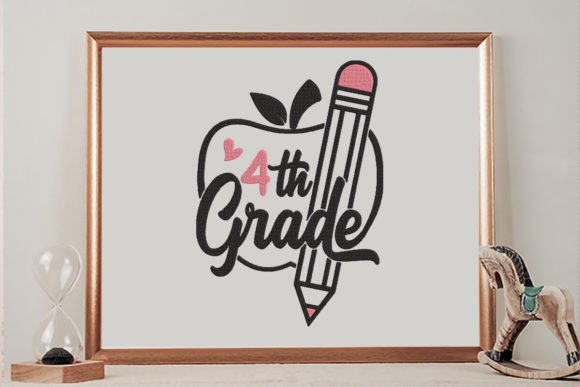
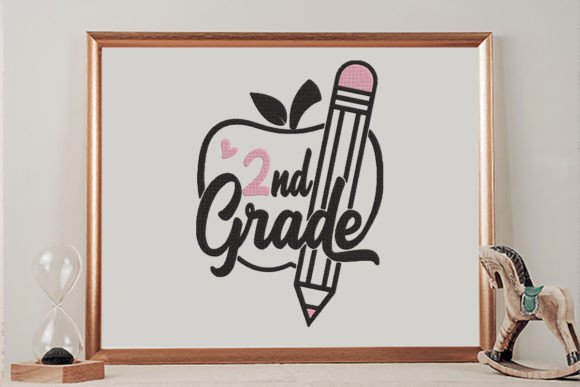
The 2nd Grade Apple Pencil design leans heavily into the cute and nostalgic side of the market. It feels less like a formal, elegant piece and more like a playful, approachable graphic. This is crucial for the back-to-school season. Parents and teachers are looking for items that feel cheerful and celebratory, not serious or corporate. The design likely features bold shapes—perhaps a stylized apple merged with a pencil—which reads clearly even from a few feet away. In a busy market environment, clarity is king. If a customer has to squint to understand the motif, they will walk past.
This design works exceptionally well as a focal point because it balances simplicity with character. It isn’t so minimal that it looks unfinished, nor is it so dense that it overwhelms the fabric. It strikes a premium yet accessible mood, which is perfect for boutique makers targeting families. When displayed on a white cotton tote bag or a pastel apron, the colors pop, creating an instant emotional connection with buyers who associate these symbols with learning and growth.
Product Applications and Market Fit
So, where does this digital embroidery file shine? Based on its whimsical nature, here is how I would deploy it across a typical handmade product line:
- Tote Bags: A classic choice. Placing the 2nd Grade Apple Pencil on a sturdy canvas tote creates an instant tote bag design staple. It appeals to students, teachers, and parents alike. The contrast of the embroidery against the textured canvas adds a tactile quality that photos alone cannot convey.
- Aprons and Tea Towels: For the kitchen-focused buyer, this design adds personality. On a tea towel embroidery project, the smaller scale allows the details to remain crisp without consuming too much hoop space. It turns a utilitarian item into a giftable keepsake.
- Embroidered Patches: If the design has a clean outline, it can be digitized as a detachable patch. These are high-margin items that allow customers to personalize backpacks or jackets. An embroidered patch version of this design offers versatility and reduces waste if you only have limited stock.
- Caps and Beanies: Curved surfaces present challenges, but a centered placement on a baseball cap or beanie can look very professional. Ensure the design fits within standard 5x7 or 4x4 hoop constraints for curved hats.
- Fabric Pouches and Pillow Covers: Small pouches for pencils or makeup benefit from the compact nature of this design. It serves as a small shop product that is easy to ship and affordable for impulse buyers.
Production Practicality and Quality Control
Before committing to bulk production, we must address the technical realities of stitching this design. As a designer, I always test on scrap fabric first. Here are the critical factors to evaluate:
- Stitch Density: Check the stitch density closely. If the design uses too many stitches in small areas, it may pucker thin fabrics like jersey t-shirts. For heavier fabrics like denim or canvas, higher density is acceptable and often desired for durability.
- Thread Contrast: The success of any thread colors combination depends on the base fabric. Test light threads on dark fabric and vice versa. A white pencil on a black bag might get lost; a yellow apple on a cream towel might lack definition. Choose colors that provide strong visual separation.
- Small Details: Examine the tiny elements of the design. Are there thin lines or small text that might merge together during stitching? If the design includes fine details, ensure your machine needle is sharp and your tension is calibrated. Tiny details often lose clarity when stitched on textured towels or fuzzy fleece.
- Hoop Size and Stability: Confirm the recommended hoop size. If the design requires a large hoop, it limits the types of garments you can embroider (e.g., you cannot fit a full-sized hoodie sleeve in a small hoop). Always use the correct stabilizer—cut-away for stretchy knits and tear-away for wovens—to prevent shifting.
Selling Strategy and Booth Display
When setting up for a weekend fair, your display needs to do the selling for you. The 2nd Grade Apple Pencil is highly photogenic, making it ideal for creating a printable mockup for your online listings or social media teasers. Show the design on different products to help customers visualize ownership. Does it look good on a bag? On a mug? On a shirt?
For your booth, create a "hero" piece. Embroider the design on a high-quality item, such as a linen apron or a structured tote, and place it at eye level. Surround it with smaller, lower-priced items featuring the same design to show variety. This strategy reinforces brand consistency and encourages multiple purchases. Buyers love seeing how a single design asset can transform into various finished product categories.
Furthermore, emphasize the handmade quality. Explain that each item is stitched with care. In an era of mass-produced goods, the slight imperfections of hand-placed or machine-stitched embroidery add value. Use terms like "handcrafted" and "unique" in your signage. The whimsical nature of the design invites interaction—customers might smile or comment on the cleverness of the apple-pencil fusion, opening the door for conversation and sales.
Final Designer Notes
Is the 2nd Grade Apple Pencil worth adding to your collection? Yes, provided you manage expectations regarding file specifics. Since exact stitch counts and formats were not explicitly detailed in the initial prompt, you must verify these technical specs with the provider. Ensure you have commercial licensing rights if you plan to sell finished goods. This is non-negotiable for protecting your business.
Ultimately, this design hits the sweet spot for the back-to-school market. It is timely, charming, and versatile. By testing thoroughly, choosing the right fabrics, and displaying it strategically, you can turn this simple embroidery design into a best-selling item. Remember, the goal is not just to stitch a picture, but to create a product that brings joy to the end user. With the right execution, the 2nd Grade Apple Pencil will certainly do just that.